We’ve been asked a lot about how we started in real estate. A few years ago my husband approached me with a real estate idea where Columbus was offering tax-abated properties in previously neglected neighborhoods. As part of a long-term rehabilitation project, the city was keeping these properties in a Land Bank and offering them to investors to purchase with certain building requirements. The goal was to prevent the continuous cycle of ‘slumlord’ ownership and negligence.
While Todd had flipped houses in Las Vegas and Philadelphia after the economic crash, this was an entirely new project with a huge potential upside for both of us. The downside was that the Columbus homes needed much more than a cosmetic facelift, as he had previously done. Yet given the growing economy and population of our urban environment, and if we did it right, they could make a serious return on time and investment.
My prior extent of real estate knowledge was that I knew buying was cheaper than renting, and buying my own tax-abated apartment was the only investment I made. I also read about other investors. Luckily Todd’s experience was much broader.
We discussed further, pulled together savings from selling Todd’s previous direct mail company, downsized other parts of ur lives, and we jumped in. Big time. So big time that if things went south it would be very, very bad.
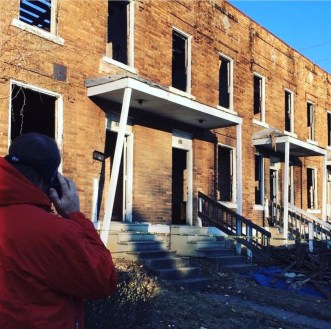
I delved into our household finances while Todd was busy acting as general contractor on the project. Our first project was a 5-unit dilapidated building that went over budget and took 6 months longer than expected (don’t they all!). It drained Todd on a daily basis because it proved to have more damage than we had thought, and one day after I delivered yet one more $10,000 check to Home Depot, I realized this was my life too. And my son’s life. I better get knowledgeable on this mutual decision we made and start carrying some of the burden- and quick.
I learned that the average return on our stock investments were 6-7%, but our real estate could make 9-10%, or more. At least, that’s the goal and we stick to it. We now have 2 properties that make upwards of 14% annually. A few things affected this that are unique (like buying from the Land Bank or Sheriff auctions), but we waited for deals that hit this mark. We don’t flip, our goal is to hold on a rent properties to provide ourselves living income. This can all fluctuate, as does the stock market. For example, if a rental property of ours sits vacant for more than 2 months, it completely throws off our annual return. BUT, we still think we will make up of in in the long run from increase in land worth.
Just as in the stock market, most of that 6-7% estimate is based on the idea that you are in it for at least 10 years. Any less than that and your return can prove to be very, very volatile. When considering a property, our most important decision is based on the cap rate (net income divided by the asset cost). This is the rate of return you’d make on a house if you bought it in cash.
For example:
You buy a home for $200,000.
It rents for $1,500 per month.
Your expenses (taxes, insurance, management, repairs, maintenance) average out to $500 per month. (Remember, this does not include the principal and interest payments on your mortgage, but it does include the escrowed sum for taxes and insurance.)
Your “net operating income” is $1,000 per month, or $12,000 per year.
Your cap rate is $12,000 / $200,000 = 0.06, or 6 percent.
If we saw a property that runs these kind of numbers, we would walk away.
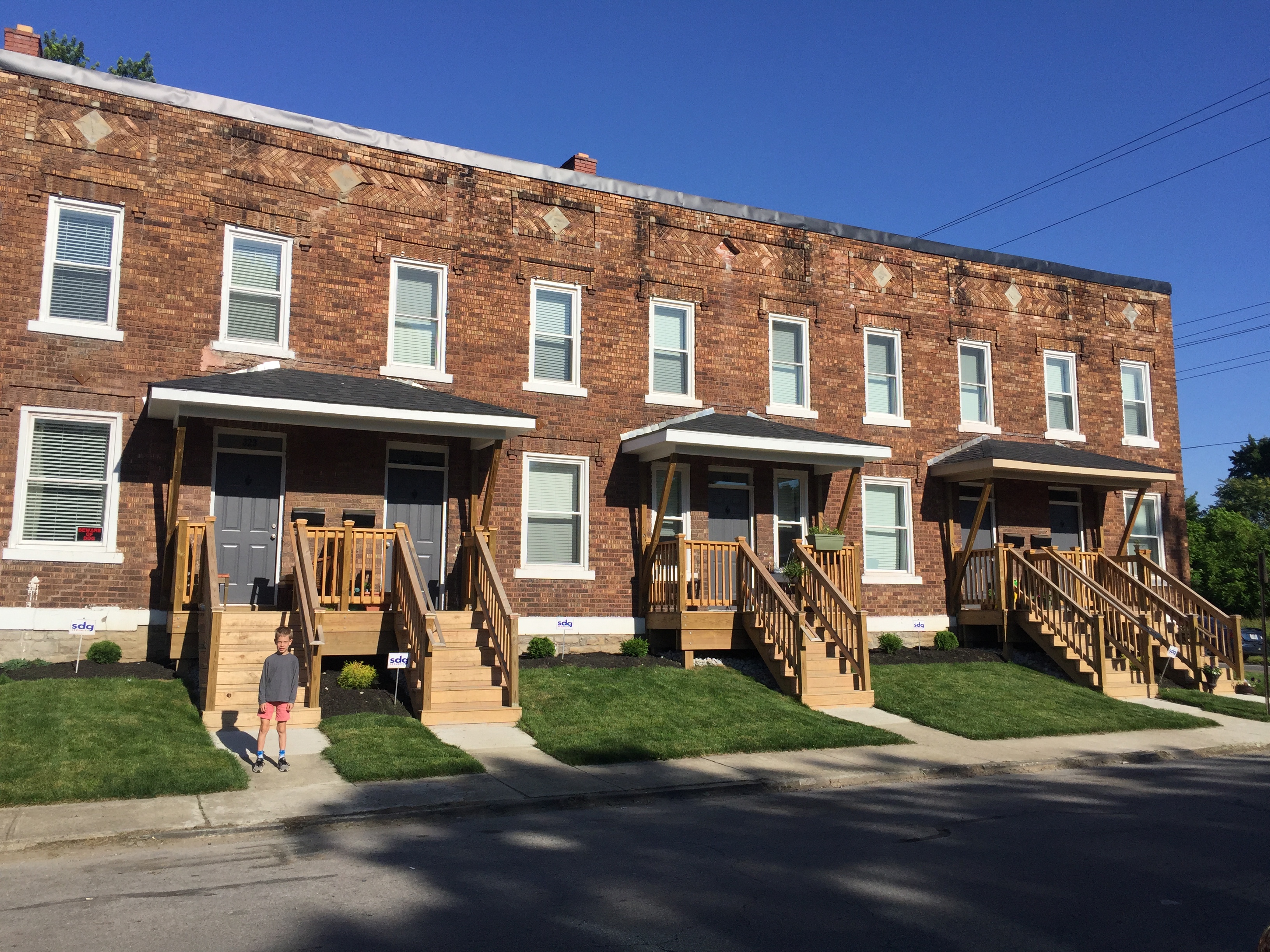
So, just a few thoughts on why we play this crazy real estate game. Oh, and that 5-unit that went over budget and took a year to complete? All rented for $1100 each, giving us a 10% cap rate.
- “The economy, as measured by gross domestic product, can be expected to grow at an annual rate of about 3 percent over the long term, and inflation of 2 percent would push nominal GDP growth to 5 percent, Buffett said. Stocks will probably rise at about that rate and dividend payments will boost total returns to 6 percent to 7 percent.” Warren Buffett
 Hinze Properties LLC
Leave a comment